
4 Reasons A Near Drowning Pet Needs Prompt Veterinary Monitoring
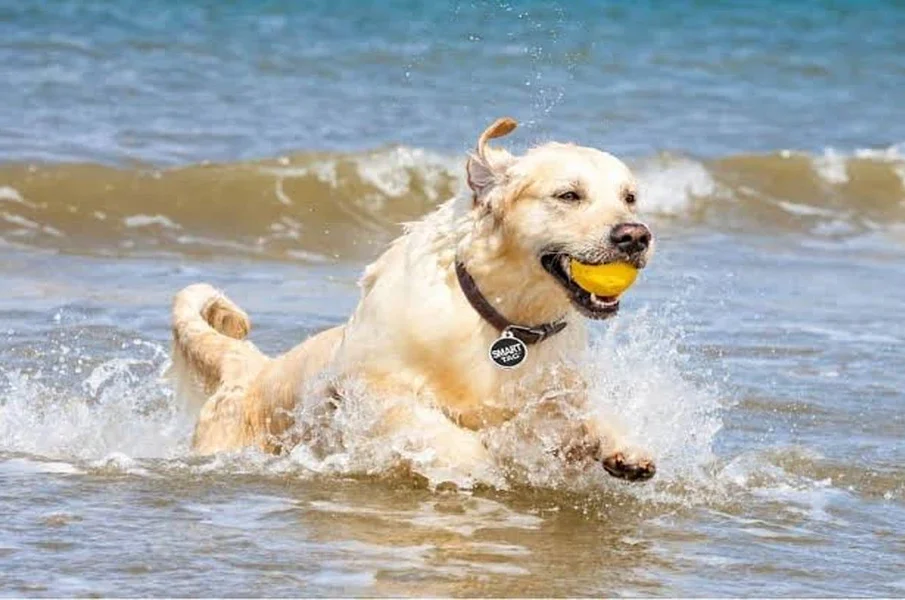
You pull your pet from the water, they cough, they stand up, and for one brief second it looks like the worst has passed. That moment fools a lot of people. A dog or cat can seem alert after a submersion scare and still slide into trouble hours later, because water in the lungs, low oxygen, shock, and hidden organ stress do not always show up right away. If your pet has had a close call in a pool, pond, lake, or even a bathtub, prompt monitoring through Animal Urgent Care or a Crestview urgent care veterinarian is the safe next step.
That fear you feel is justified. You are not overreacting if your pet “looks okay” but is breathing harder, acting tired, or just seems off. Near drowning in pets can turn into a breathing crisis, and the window for treatment matters. Home observation has limits. Veterinary monitoring catches the changes you cannot measure on your couch, especially in the first several hours after the event.
Delayed breathing problems after a near drowning pet incident are common
The biggest reason a near drowning pet needs prompt veterinary monitoring is the lungs. Water can irritate and inflame the airways, wash out normal protective surfactant in the lungs, and lead to poor oxygen exchange. A pet may cough up water once and then appear stable, but swelling and fluid buildup can worsen over time. That is when breathing becomes faster, shallower, or more labored.
You might notice subtle signs first. Your dog stops pacing and lies down more than usual. Your cat hides, keeps the neck extended, or breathes with the mouth open. Gums may look pale or bluish. Those are not signs to “wait and see.” They are signs that oxygen delivery may already be slipping.
If your pet is unresponsive or not breathing, use pet CPR guidance right away and get emergency help moving. Virginia Tech offers clear CPR guidelines for pets that can help in those first chaotic minutes. CPR does not replace veterinary care. It buys time.
Hidden complications can affect more than the lungs
Oxygen loss does not just affect breathing. It can stress the brain, heart, kidneys, and other organs. A pet that inhaled water may become weak, disoriented, or unusually sleepy. Some develop abnormal heart rhythms. Others have vomiting, low body temperature, or signs of shock. These changes can be easy to miss at home because they do not always look dramatic at first.
This is where veterinary monitoring after pet submersion matters. In a clinic setting, staff can track respiratory rate, oxygen levels, temperature, heart function, and mental status over time. A single normal moment at home tells you very little. A monitored trend tells the real story.
Cornell’s emergency and critical care service explains the kind of advanced support emergency teams provide when pets are unstable, including oxygen therapy and close critical observation. You can learn more about that level of care through emergency and critical care services.
Water type and contamination change the risk after a pet water accident
Not every submersion event carries the same risk. Pool water may expose a pet to chlorine and chemicals. Lake or pond water may contain bacteria, algae, mud, or debris that gets pulled into the lungs. Salt water can create its own set of fluid balance problems. Even clean bath water becomes dangerous if enough is inhaled.
That is why a “they only went under for a second” story does not settle the issue. The amount inhaled, the type of water, how long the pet struggled, and how quickly they recovered all shape what happens next. A dog who chased a ball into a pond and came out coughing may need a different level of concern than a cat who slipped into a tub and recovered quickly, but both deserve a veterinary assessment if there was any breathing change, weakness, or loss of consciousness.
Prompt monitoring can reduce the need for more intensive treatment later
Early care is often simpler than late care. A pet seen soon after the incident may only need observation, oxygen support, warming, chest imaging, or repeat exams. A pet brought in after hours of worsening lung injury may need hospitalization, more advanced respiratory support, and a longer recovery. The financial side matters here too. Waiting because you hope symptoms will fade can end up costing more, both medically and emotionally.
You know your pet’s normal habits. If they are quieter, clingier, reluctant to move, or breathing in a way that makes your stomach drop, trust that instinct. That is often the difference between catching a problem early and arriving in crisis.
Home observation and Animal Urgent Care serve very different roles
| Situation | Home Observation | Animal Urgent Care |
|---|---|---|
| Pet seems normal right after rescue | You can watch for coughing, fatigue, or behavior changes, but you cannot measure oxygen levels or hear subtle lung changes | Staff can assess breathing, oxygenation, temperature, and progression over the first high risk hours |
| Pet is coughing or breathing faster than normal | Risk of underestimating lung irritation or fluid buildup | Oxygen therapy, imaging, and close reassessment can begin early |
| Pet was unconscious, blue, or needed CPR | Unsafe to monitor at home due to risk of delayed collapse and organ injury | Immediate stabilization and ongoing monitoring are needed |
| Water was dirty, salty, or chemically treated | Contamination risks are hard to judge without an exam | Veterinary team can factor water exposure into treatment and observation plans |
Three steps to take right away after a near drowning pet emergency
1. Watch breathing, not just behavior. Count breaths, look for effort, and check gum color. A pet that can walk is not automatically safe. Fast breaths, noisy breathing, open mouth breathing in cats, pale gums, or blue gums need urgent care.
2. Keep your pet warm, quiet, and transported for evaluation. Dry them gently, avoid strenuous activity, and head in for care if there was submersion with coughing, weakness, confusion, collapse, or any breathing change. Excitement and exertion can make oxygen demand rise when the lungs are already stressed.
3. Share the full story with the veterinary team. Tell them how long your pet was in the water, whether they lost consciousness, what kind of water it was, and what signs you saw after rescue. Those details shape the monitoring plan for a pet drowning emergency and help the team decide how aggressive treatment should be.
A close call in the water can leave you shaken long after your pet is back on dry ground. That reaction is normal. What matters now is not guessing based on one good moment. It is making sure your pet stays safe through the hours when hidden complications can appear. If your dog or cat has had a submersion scare, seek prompt evaluation through Animal Urgent Care.


