
How to Choose the Right Plumber for Your Business
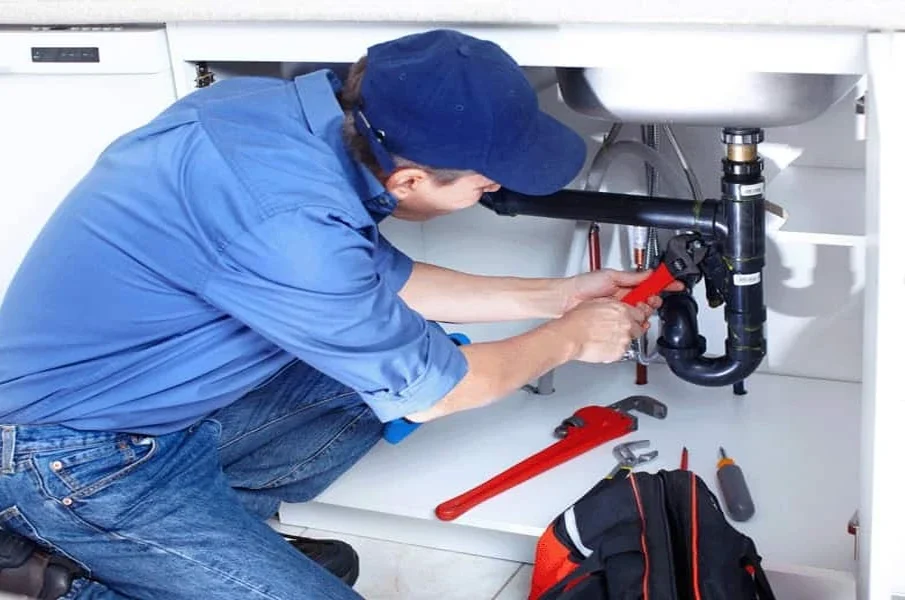
Plumbing plays an important role in keeping a business running smoothly. Whether you operate an office, restaurant, retail shop or warehouse, you depend on a reliable plumbing system every day. From working toilets and clean water supplies to properly functioning drains and water heaters, even a small plumbing issue can affect daily operations. A leaking pipe or blocked drain may inconvenience employees, disrupt customers and lead to unexpected repair costs.
Choosing the right professional is therefore an important decision for every business owner. If you are searching for a plumber in St. Peters, MO, it is worth looking beyond the price of a service call. You need someone with the right experience, suitable qualifications and the ability to handle commercial plumbing requirements.
The right plumber in St. Peters, MO can help you manage routine maintenance, respond to unexpected problems and keep your property’s plumbing system in good condition. However, not every plumbing contractor offers the same services or level of experience. Knowing what to look for can help you make a confident choice.
1. Look for Commercial Plumbing Experience
Commercial plumbing systems are often more complex than residential systems. Businesses may have larger water supply lines, multiple washrooms, commercial kitchens, drainage networks and specialised equipment.
For this reason, it is important to choose a plumber who has experience working with commercial properties.
Before hiring a contractor, ask about their previous projects and the types of businesses they have served. For example, a plumber who regularly works with restaurants may understand grease traps, commercial kitchen drains and high-demand hot water systems.
Look for experience with:
- Commercial pipe repairs and replacements.
- Drain cleaning and sewer line services.
- Water heater installation and maintenance.
- Commercial toilets, sinks and fixtures.
- Leak detection and water pressure problems.
- Preventive plumbing maintenance.
A professional with relevant experience is more likely to understand your building’s requirements and recommend suitable solutions.
2. Check Licensing and Insurance
Before allowing a plumbing contractor to work on your business premises, check their credentials.
Licensing requirements can vary depending on the type of work and the local authority. In Missouri, plumbing licensing and registration requirements may also depend on the municipality. Therefore, check the applicable requirements in St. Peters before hiring a contractor.
Insurance is equally important. Plumbing work can involve risks such as accidental property damage, water leaks and injuries.
Ask whether the contractor carries appropriate insurance, including general liability coverage and workers’ compensation where applicable.
A reliable professional should be willing to explain their qualifications and provide relevant documentation when requested.
3. Check Reviews and Business Reputation
A plumber’s reputation can tell you a lot about the quality of service you might receive. Before making a decision, take some time to research the company.
Read customer reviews and look for feedback from other business owners. Pay attention to comments about punctuality, communication, workmanship and how the contractor handles unexpected problems.
Consider the following questions:
- Does the company arrive at the agreed time?
- Are customers satisfied with the quality of repairs?
- Does the plumber explain problems clearly?
- Are prices and estimates communicated properly?
- Does the company respond to complaints professionally?
Do not rely on one review alone. Look for consistent feedback across different platforms. You can also ask the contractor for references from previous commercial clients.
4. Ask About the Range of Services
Your business may need different plumbing services over time. Hiring a contractor who can handle several types of commercial plumbing work can make property maintenance easier.
For example, you might initially need help with a leaking pipe but later require drain cleaning, water heater repairs or fixture replacements.
Before hiring a plumber, find out whether they provide:
- General commercial plumbing repairs.
- Emergency plumbing services.
- Pipe installation and replacement.
- Sewer and drain inspections.
- Water heater servicing.
- Leak detection.
- Backflow prevention services.
- Routine plumbing maintenance.
A company offering a suitable range of services may become a useful long-term maintenance partner for your business.
5. Compare Pricing and Request Written Estimates
Price is an important consideration, but choosing the cheapest contractor is not always the best decision.
An unusually low estimate may exclude important work, materials or additional labour charges. On the other hand, a higher quote does not automatically guarantee better service.
Ask at least two or three contractors for estimates when the job allows enough time. Compare what each quote includes rather than looking only at the final amount.
A clear plumbing estimate should explain:
- The problem that needs attention.
- The recommended repair or installation.
- Expected labour charges.
- The cost of parts and materials.
- Any additional service fees.
- The estimated completion time.
Also, ask whether unexpected work requires your approval before additional charges are added. Clear pricing helps you manage your business maintenance budget and avoid unpleasant surprises.
6. Make Sure Emergency Services Are Available
Plumbing emergencies can happen at any time. A burst pipe, overflowing toilet or major drainage blockage can quickly interrupt business operations.
For businesses such as restaurants, hotels and healthcare facilities, these problems may require immediate attention.
When choosing a commercial plumber, ask about their emergency response arrangements.
Find out:
- Whether emergency appointments are available outside normal working hours.
- How quickly they typically respond to urgent calls.
- Whether additional charges apply for after-hours work.
- Which types of emergencies they can handle.
It is also useful to save the contractor’s contact details so your employees know whom to contact if a serious plumbing issue occurs.
7. Evaluate Communication and Customer Service
Good communication is just as important as technical ability. You need a plumber who listens to your concerns, explains the problem and provides practical recommendations.
A professional contractor should be able to describe what has gone wrong without using confusing technical language. They should also explain the available repair options and help you understand the advantages and limitations of each one.
Pay attention to how the company handles your first enquiry. Do they answer questions clearly? Do they provide realistic appointment times? Are they willing to explain their estimates?
These early interactions can give you an idea of how the company may communicate throughout the project.
8. Ask About Maintenance Plans
Finding a plumber only when something breaks can make property management difficult. Regular maintenance is a better way to identify potential problems before they cause major disruptions.
Ask whether the contractor offers commercial plumbing maintenance plans.
Depending on your property’s requirements, a maintenance programme may include:
- Inspecting visible pipes and connections.
- Checking taps, toilets and washroom fixtures.
- Inspecting water heaters.
- Checking drainage systems for blockages.
- Identifying leaks and water pressure issues.
- Reviewing backflow prevention equipment.
A planned maintenance schedule can help reduce unexpected repairs, protect your building and support the reliable operation of your plumbing system.
Questions to Ask Before Hiring a Commercial Plumber
Before making your final decision, prepare a few questions to help you compare contractors.
- How much experience do you have with commercial plumbing projects?
- Are you properly licensed and insured for the work required?
- Do you provide emergency plumbing services?
- Can you provide a written estimate before starting?
- Do you offer ongoing maintenance services?
- Can you share references from previous commercial customers?
- Do you provide warranties on parts and workmanship?
The answers will help you understand whether the contractor is suitable for your business.
9. Choose a Plumber Who Understands Local Requirements
Local plumbing regulations are an important consideration, particularly when your business needs major repairs, new installations or building improvements.
In St. Peters, plumbing and drain-laying contractors must meet the applicable St. Charles County licensing requirements. A City of St. Peters business licence may also be required. Before hiring a contractor, confirm that they are authorised to carry out the work and can arrange any necessary permits and inspections.
A plumber familiar with local requirements can help make the process easier and reduce the risk of delays caused by missing paperwork or incorrect installations.
Conclusion
Choosing the right plumber for your business involves more than comparing prices. You need a professional with commercial experience, appropriate credentials, reliable emergency support and clear communication.
Take time to check reviews, compare written estimates and ask about maintenance services before making your decision. A dependable plumbing contractor can help prevent unexpected problems, protect your commercial property and keep your daily operations running smoothly.


