
Best 8 Shropshire Prune Damson Tree Suppliers in Britain
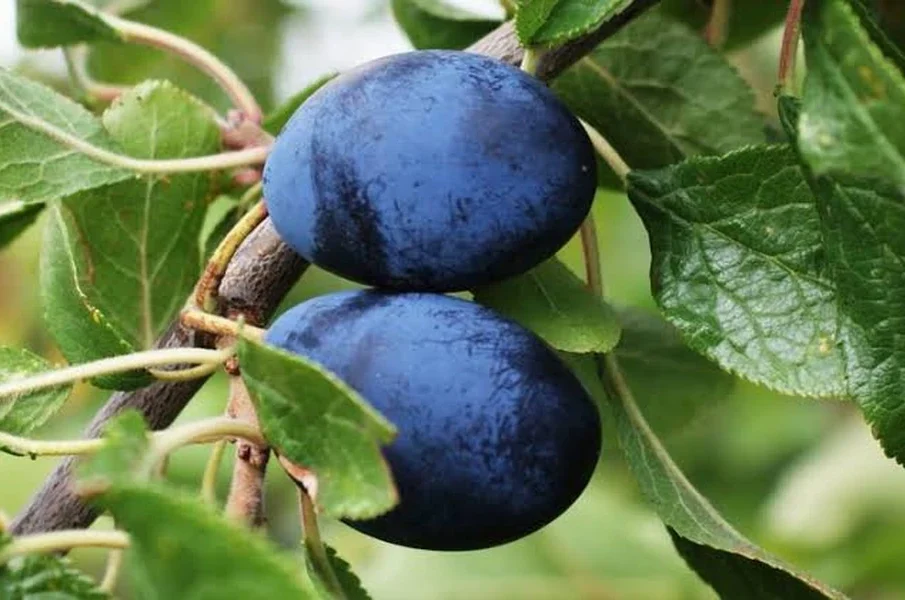
Shropshire Damson, Prune Damson and Shropshire Prune can lead to the same cultivar in a British fruit-tree catalogue. The different names are worth recognising, but the more consequential differences sit elsewhere on the page. A maiden on Pixy, a half-standard on Myrobalan B and a potted tree on St Julien A involve quite different planting plans.
Once Shropshire Prune is your chosen damson, comparing suppliers becomes a matter of reading those specifications accurately. This guide follows the tree from its rootstock to its branch framework and delivery format, keeping the cultivar constant throughout.
Comparing a Shropshire Prune Damson Tree Before Ordering
Eligibility requires a named Shropshire Prune offer, including its documented synonyms. The comparison considers the rootstock, the work already put into the framework and the route by which the tree can reach a British garden. A supplier’s general damson range alone would leave too much uncertain.
CRJ Fruit Trees is featured first. Orange Pippin Trees and R.V. Roger follow with broad combinations of stock and form; Keepers and Pomona make the choice between young material and trained shapes especially useful. Blackmoor and Ashridge provide further St Julien A routes, before Ornamental Trees supplies a clearly measured container option. The sequence follows purchasing decisions in published offers.
Rootstock and form deserve separate columns on a shortlist. The RHS classifies Pixy as less vigorous than St Julien A, but even Pixy can produce a substantial bush. Nursery height estimates vary with training and conditions. A half-standard describes a crown raised on a clear stem; it does not, by itself, identify the roots underneath.
1. CRJ Fruit Trees
The Shropshire listing at CRJ Fruit Trees explicitly connects the name with Prune Damson. That resolves a useful identification problem before the buyer compares plants elsewhere. Its description gives the familiar small, sharp fruit and strong damson flavour, while the tree guidance separates Pixy from St Julien. Those two rootstocks establish the first fork in the purchase: a more restricted framework or room for a larger tree.
British gardeners investigating this damson can use https://www.fruit-trees.com/ to reach the Shropshire product and compare its rootstock guidance. Keep the selected stock attached to the cultivar name in the order enquiry. A quotation simply headed “Shropshire Damson” would leave the most important size decision unresolved.
For a confined planting position, the Pixy route merits attention before arrival height or price. A lawn or more spacious orchard position gives greater scope to consider St Julien. The maintained dimensions quoted in the listing depend on management, so discuss the intended form and growing conditions when settling the actual variant.
This is a useful starting offer because the fruit identity stays straightforward while the planting scale can change. There is no need to reopen the choice between damsons and gages; the next useful information concerns the particular grafted tree.
2. Orange Pippin Trees
Orange Pippin makes it possible to compare several versions of the same planting idea. Its Shropshire Prune page includes a two-year bush on VVA-1, one-year maidens on Wavit or St Julien A, and two-year St Julien A bush and half-standard forms. There are also St Julien A bush and premium half-standard trees in 12-litre pots.
Consider two buyers with the same cultivar on their list. One has an open position and wants a crown already begun above a longer stem. The other is planning a lower tree and expects to carry out formative work. The half-standard and maiden offers answer those preferences differently, even though both will produce Shropshire Prune.
The container selection introduces a further distinction: the buyer can obtain a developed tree with its rootball. Bare-root versions follow the dormant-season dispatch programme. Compare like with like before deciding that one price is unusually high. Rootstock, age, clear stem and pot capacity can all account for a difference. The listed Brompton maiden was unavailable at the November check, so it should remain outside an immediate order.
3. R.V. Roger
For a larger orchard or a wall with room for an established fan, R.V. Roger offers specifications that extend beyond the usual bush tree. Its November 2026-March 2027 selection includes maidens on St Julien A, Brompton and Myrobalan B. Bushes are listed on St Julien A or Brompton, and the half-standard uses Myrobalan B.
A traditional fan with five to seven shoots is also offered on St Julien A. The number of shoots tells a buyer something tangible about the framework already present. Someone comparing this with a maiden can decide whether purchasing those early branches is worth the additional cost and transport requirements.
The vigorous stocks deserve room in the planting plan. Their inclusion gives an orchard buyer useful options, particularly where the tree is intended to become a substantial feature. They would be poor substitutes for a smaller-stock order chosen to fit a restricted position. Specify both the stock and form when discussing carriage: the spread of a trained fan affects handling in a way that the cultivar name cannot convey.
4. Keepers Nursery
Starting with a one-year tree leaves the branching decisions largely ahead of you. Keepers offers that route through Shropshire Prune maidens on Pixy, VSV-1 and WA-VIT for winter 2026/27. Its product page identifies the bare-root trees as hand-grafted and grown at its Kent nursery.
The stock names require careful transcription. VSV-1 is the name in this offer; VVA-1 appears elsewhere in the market and should not be substituted casually. Someone comparing the two needs advice about the actual stocks and intended training, not an assumption that similar abbreviations describe an identical plant.
Keepers is particularly relevant where the first branches must suit a planned shape. A young maiden gives scope to establish that framework, while placing the responsibility for formative work with the buyer. A ready-made fan or half-standard would represent a different purchase. Settle the required branching and support before selecting the tree, and retain the full rootstock name on the order confirmation. The winter supply window then gives the planting project a practical timetable.
5. Pomona Fruits
Pomona’s Prune Damson page identifies the cultivar as Shropshire Damson and offers several ways to manage its outline. A maiden for training, an ordinary tree and a cordon are listed on St Julien A at approximately 120-150 cm bare-root. Potted versions extend the choice of buying format.
The cordon is the distinctive option. It concentrates the tree into a narrow managed structure, which can suit a planned line of trained fruit. That narrowness requires continuing attention, particularly with St Julien A. The RHS treats plum-family cordons as more demanding than apple or pear cordons, so the existing shape should be considered together with the maintenance it will need.
For a gardener who wants to direct the early framework personally, the maiden serves a different purpose. Its similar advertised height does not mean it has received the same training as the cordon. Compare the branches and intended structure, then the supplied dimensions. Pomona’s range makes that distinction concrete within one cultivar and stock, with seasonal bare-root delivery alongside separately specified container plants.
6. Blackmoor Nurseries
A mixed winter tree order can accommodate a single Shropshire damson without requiring several copies of the cultivar. Blackmoor lists Shropshire on St Julien A and allows different bare-root fruit trees to contribute to its multibuy offer. This can matter when the damson is one component of a new productive garden.
The practical comparison is therefore the cost and organisation of the complete planting. A buyer ordering a damson, apple and pear can check whether the selected products qualify together, while keeping each tree’s spacing and rootstock requirements separate. A discount is useful only after those choices make sense.
Blackmoor’s Shropshire listing gives a November-April dispatch period and offers collection or UK mainland delivery. The exact age and form should be confirmed through the selected product option. Once St Julien A has been chosen deliberately, this is a direct nursery route with the possibility of consolidating a wider bare-root order. It is especially straightforward when the garden is ready for dormant-season planting and no pre-trained wall framework is required.
7. Ashridge Trees
The choice at Ashridge is primarily about the height at which the crown begins. Shropshire Prune is offered on St Julien A as maiden, bush and half-standard, all bare-root. A bush carries its framework lower down; a half-standard provides a longer clear stem beneath the branches.
That difference can influence how the ground is used. A longer stem may help where the tree stands in grass and access underneath matters. Lower branching can be preferable where the gardener wants the crown to begin closer to picking height. Both arrangements still need enough space for growth on St Julien A.
Ashridge says that its maidens are pre-pruned for the intended form. This makes the selected version important: a buyer planning a particular framework should establish what cutting has already been done before ordering. Delivery is described as November-April, and collection from Castle Cary is available. The appeal here lies in choosing the framework while retaining one known stock, with a collection route for customers able to use it.
8. Ornamental Trees
Ornamental Trees supplies a particularly clear container specification: a single-stem Shropshire Prune on St Julien A, 125-175 cm on arrival, in a 12-litre pot. The reviewed option carried a dispatch indication of seven days. A smaller-stock Pixy version was listed separately as sold out.
The St Julien A tree is useful when a buyer wants a potted plant with stated handling dimensions. Those measurements help with receiving it, moving it through a gate and preparing the planting operation. They also provide a fair basis for comparing another supplier’s container tree, provided the rootstock and form match.
Treat the delivered height as the beginning of the tree’s life in the garden. The 12-litre pot describes the supplied rootball, while St Julien A remains the relevant information for planning its developing crown. This option therefore suits someone who has already allowed space for that stock and values a specified potted purchase. The unavailable Pixy version should not be used to justify squeezing the offered tree into a smaller position.
Write One Comparable Tree Specification
A useful enquiry can be short: Shropshire Prune, the chosen rootstock, the intended form and the preferred supply format. Add any important clear-stem height or wall dimensions. Suppliers can then respond to the same planting requirement, making their quotations much easier to compare.
If one component changes, reconsider the whole specification. A different rootstock alters the growing plan; a maiden changes the formative work; a potted tree changes handling and the ordering timetable. The cultivar can remain exactly right through all those changes while the proposed purchase becomes less suitable.
For this damson, that is where careful buying pays off: the familiar name is secured, and attention can go to the tree that will occupy the ground.
Source note: Official Shropshire Prune listings and ordering information from CRJ Fruit Trees, Orange Pippin Trees, R.V. Roger, Keepers Nursery, Pomona Fruits, Blackmoor Nurseries, Ashridge Trees and Ornamental Trees informed this comparison. RHS damson and plum guidance supports the distinctions between rootstock, form and training.


