
Sensitive Teeth And A Smile Upgrade: Deciding Where Dental Care Should Begin
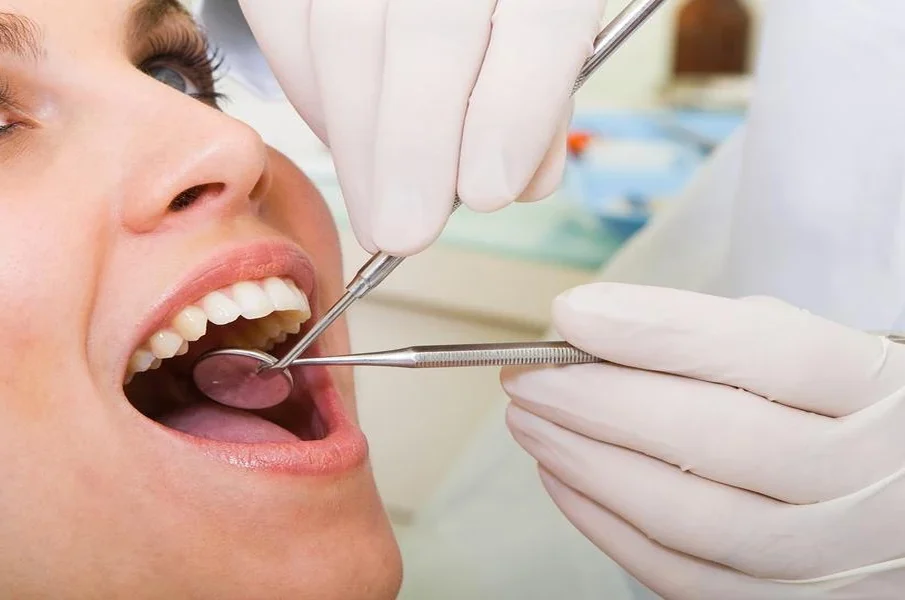
You feel it when coffee hits one side of your mouth, when cold air slips in, or when you bite into something sweet and get that quick, sharp sting. At the same time, you may be thinking about whitening, bonding, veneers, or fixing teeth that have bothered you in photos for years. That mix of discomfort and self-consciousness wears on you. You want relief, and you want to like your smile again, but it is hard to know what should come first. A Dentist in Wall Township, NJ can help you address sensitivity while exploring cosmetic options that fit your goals.
In most cases, pain and sensitivity should lead the plan, because cosmetic work lasts longer and looks better when the teeth and gums underneath are healthy. A family and cosmetic dentist can sort out whether the issue is worn enamel, gum recession, decay, grinding, old fillings, or gum disease, then build from there. If you start with appearance alone, you risk paying for a smile upgrade on top of a problem that has not been fixed.
Sensitive teeth often point to issues that cosmetic treatment should not cover up
Tooth sensitivity is not one single condition. It is a symptom. Sometimes it comes from thinning enamel. Sometimes the root surface is exposed because the gums have pulled back. Sometimes there is a cracked tooth, a leaking filling, or decay starting where you cannot see it. The MedlinePlus overview of tooth sensitivity explains that hot, cold, sweet, and acidic foods can all trigger pain when the inner part of the tooth is less protected.
If your first thought is whitening strips or a cosmetic fix, that makes sense. You are trying to solve what you notice every day. The trouble is that whitening can increase sensitivity for some people, and veneers or bonding placed over untreated bite problems, decay, or inflamed gums can lead to more time in the chair later. The smile may look better for a moment, but the mouth still tells the truth.
Gum health matters just as much. Bleeding when you brush, tenderness, bad breath that keeps returning, or teeth that seem longer than they used to can signal gum disease. The NIH page on gum disease lays out how inflammation can damage the tissue and bone that support your teeth. If you are considering cosmetic changes, this part cannot be skipped. Healthy gums frame the smile and hold everything in place.
A smile upgrade works best when function and comfort come first
People often think of dental care in two separate boxes, one for health and one for appearance. Real life does not work that neatly. A chipped front tooth can affect your confidence and your bite. Grinding can flatten teeth and make them sensitive. Old fillings can darken teeth and also leak around the edges. The best plan usually starts with diagnosis, then stabilization, then cosmetic work if you still want it.
This is where a sensitive teeth and smile makeover plan becomes more useful than choosing a single treatment on your own. You may only need desensitizing toothpaste, fluoride, a night guard, or a small filling before any cosmetic step. You may need gum treatment first. You may find that once pain is gone and the teeth are cleaned and polished, you want less cosmetic work than you first imagined.
Materials matter too. Different restorations handle pressure, wear, and appearance in different ways. The National Institute of Dental and Craniofacial Research provides a helpful guide to common dental materials, including where they are used and what tradeoffs they carry. That kind of discussion is part of good planning, especially if you want treatment that feels natural and holds up.
Home fixes and professional care do not solve the same problems
| Concern | At Home Approach | What Professional Dental Care Adds |
|---|---|---|
| Mild cold sensitivity | Desensitizing toothpaste, softer brushing, less acidic food | Checks for decay, cracks, exposed roots, bite stress, and failing fillings |
| Yellow or stained teeth | Whitening products from the store | Safer whitening plan if teeth are sensitive, plus treatment for causes that whitening will not fix |
| Bleeding gums | Better brushing and flossing | Measures gum pockets, removes tartar below the gumline, treats infection early |
| Chipped or uneven front teeth | No reliable home option | Bonding, reshaping, veneers, or crowns based on tooth strength and bite |
| Pain when chewing | Avoiding that side of the mouth | Finds cracks, bite imbalance, nerve problems, or hidden decay before they worsen |
Home care has value. It can reduce irritation and help you avoid making sensitivity worse. It cannot tell you whether the problem is shallow or deep. That is the line people cross without realizing it. They adapt by chewing on one side, avoiding ice water, or skipping photos with a full smile, and the habit starts to feel normal. It is not.
Clear next steps make dental decisions easier
Track the triggers. Write down what causes the sensitivity, where it happens, and how long it lasts. Cold only, sweets only, one tooth, many teeth, pain when biting, pain after brushing, all of that helps narrow the cause. A short note on your phone is enough.
Book an exam before choosing cosmetic treatment. If you are thinking about whitening, bonding, veneers, or crowns, start with a diagnostic visit. Ask what is causing the sensitivity, whether your gums are healthy, and which treatment order makes sense. This is the smartest first move for anyone weighing sensitive teeth treatment and cosmetic dentistry.
Ask for a phased plan. You do not need to do everything at once. A good dentist can break care into stages, first stopping pain and disease, then repairing damage, then improving appearance if you want that final step. This often feels more manageable financially and emotionally, and it gives you room to make decisions with less pressure.
The right starting point is the one that protects your comfort and your smile
If your teeth are sensitive and you also want a better looking smile, you are not asking for too much. You are asking for care that makes daily life easier and helps you feel like yourself again. Start with the source of the pain, then build toward the look you want. That is how cosmetic results last, and that is how general dentist care becomes personal, not pieced together.
You do not have to guess which issue matters more. The first step is getting clear answers and a plan that respects both health and appearance.


