
Discover Deep Pond Oxygenation Secrets
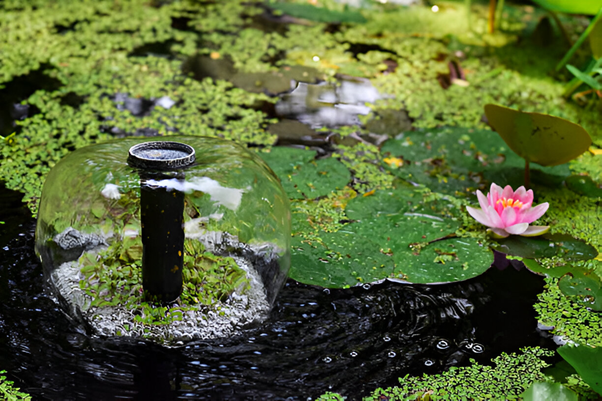
Oxygen stands as the vital element which enables all pond life including fish and plants as well as useful bacteria to survive. An insufficient oxygen supply triggers rapid health deterioration of your pond because it causes fish stress alongside algae blooms while degrading water quality.
The survival of an aquatic ecosystem requires proper oxygen maintenance because it supports all its life forms. The following section will show the path to reaching this objective
Understanding the Importance of Oxygen in Ponds
The survival of fish plants along with bacteria depends on the availability of oxygen. Through gills fish acquire oxygen and beneficial bacteria consume oxygen to process sludge along with algae. Water quality suffers from poor metabolic process rates as oxygen deficiency slows aquatic life to face stressful conditions.
Tools like Oase Pond pumps can play a crucial role in maintaining oxygen levels by circulating water and promoting aeration. As an industry leader That Pond Guy serves professionals who trust the organisation to deliver practical advice together with expert advice about caring for ponds.
What Causes Low Oxygen Levels?
Water oxygen depletion occurs because of summer heatwaves in combination. The reduced oxygen capacity of warm water undergoes additional degradation because of algae development.
During daytime algae generate oxygen by photosynthesis but their nighttime consumption of oxygen creates insufficient oxygen levels for fish and additional organisms. Performing either too many fish stockings or permitting too many organic substances in your pond can jointly decrease oxygen levels.
How to Measure Oxygen Levels
Pond management needs testing for oxygen content because it supports a healthy aquatic environment. A dissolved oxygen test kit serves as the correct tool to achieve precise oxygen concentration assessment.
Your pond water should contain at least 6 milligrams of oxygen for each litre of water to remain balanced. Fish will experience stress when oxygen levels fall below 3ppm and concentrations below 2ppm prove lethal to them.
3 Tips to Maintain Healthy Oxygen Levels
1. Increase Water Movement
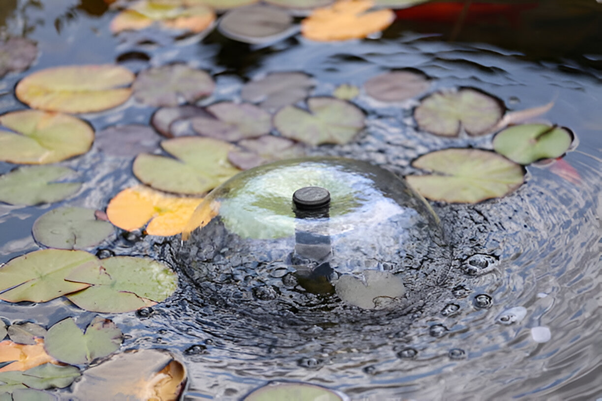
Choosing to introduce a waterfall feature together with a fountain provides superb oxygenating power. The movement of the water surface creates a larger exposure area for atmospheric oxygen to dissolve. Fountains strategically placed in ponds produce both visual appeal and oxygen-supply benefits.
2. Use an Air Pump
The Oase air pumps function as highly efficient tools for achieving proper oxygenation in pond water. The devices push air via a diffuser mechanism, which produces bubbles to move water through the entire system. The same process raises oxygen content and achieves uniform distribution throughout the entire pond water body.
3. Add Oxygen Stones
Oxygen stones function with air pumps to generate small bubbles that enter the water system. Oxygen absorption becomes better when bubbles increase water surface area and movement in the water. The tools prove beneficial for ponds with deeper depths, which commonly show lower oxygen levels.
Final Thoughts
Strong oxygen levels in your pond water preserve the health of its aquatic species. Merging water movement with air pumps and adding oxygen stones creates a thriving aquatic environment. Regular testing and monitoring practices will maintain your pond as a thriving, vibrant ecosystem.


