
What Are the Most Common Gas Water Heater Parts That Need Replacing?
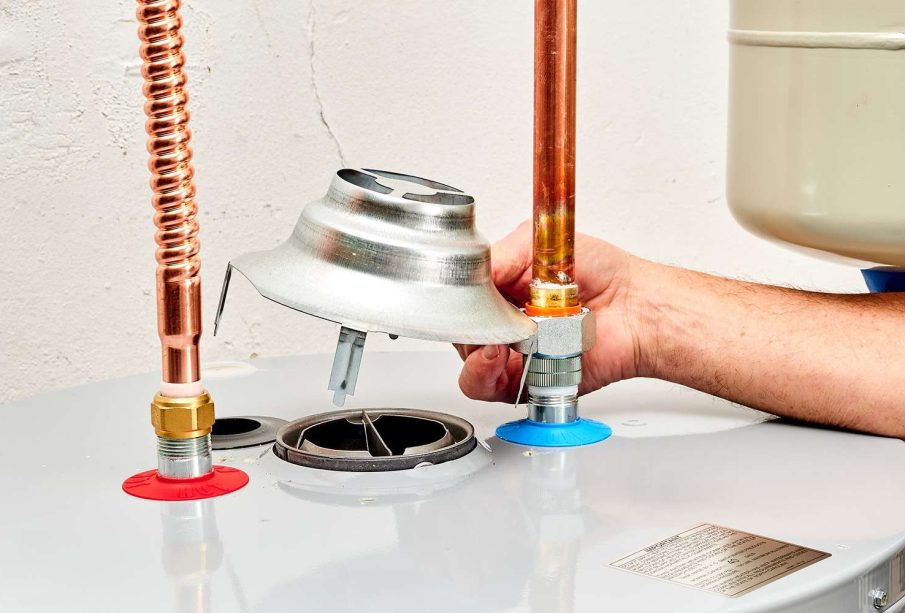
A gas water heater works hard behind the scenes. It provides hot showers, clean dishes, and warm laundry water without much thought. But like any machine, it wears down. Over time, key parts can fail and may need to be replaced to keep things running smoothly.
Knowing which items break down most often can save time and stress. It also helps avoid costly service calls. Many gas water heater parts can be replaced without needing to replace the entire unit. This article covers the components that usually require the most attention.
Thermocouples Stop the Flow When Needed
A thermocouple serves as a protective device. It shuts off the gas when the pilot light goes out. This keeps your house safe. When this part breaks, the burner won’t light. No burner means no hot water.
Thermocouples wear out with use. If your pilot won’t stay lit, this might be the cause. Replacements are usually affordable and widely available. Installing one requires basic tools and careful handling. A worn thermocouple is one of the most common problems.
Pilot Assemblies Handle the Flame
The pilot assembly includes the small flame that lights the burner. It also features sensors to detect the presence of fire. If the flame goes out, gas flow stops. This is another layer of protection.
Dust, corrosion, or wear can cause problems with this part. If your heater doesn’t fire up, the pilot might be to blame. Cleaning it can help. If not, replacement is the next step. A faulty pilot assembly will stop your heater from working. Swapping it out brings things back to life.
Burners Do the Heavy Heating
The burner is where gas meets fire. It heats the water inside the tank. Over time, debris and rust can build up here. This can block the flame or make it burn unevenly.
A poor flame means poor heating. That can waste energy and raise your bills. If you hear popping or see odd colors in the flame, check the burner. Replacing it restores proper heating. It’s a crucial part of maintaining a steady water temperature.
Gas Valves Control Fuel Flow
The gas valve is the brain of the system. It tells the gas when to move and how much to release. It also responds to temperature controls. If this piece fails, the system can’t run safely.
Problems here are more complex to spot. Replacing it takes care and patience. It’s best to check all other parts first. However, when needed, a new valve can resolve many problems.
Anode Rods Protect from Corrosion
This part may not seem important, but it plays a significant role. The anode rod attracts minerals and metals. That keeps your tank from rusting inside. Without it, corrosion eats away at the tank.
Anode rods don’t last forever. You should inspect them every two to three years. If the rod is worn thin or coated with calcium, replace it. Replacing it can double the life of your heating system. It’s a simple fix with a big payoff.
Pressure Valves Release Safely
The pressure relief valve functions as a protective safety mechanism. It opens if the pressure or temperature gets too high. That prevents tank bursts. If water leaks from it regularly, it might be faulty.
Test the valve every few months. If it sticks or drips, consider replacing it. This is a part you never want to ignore. A working valve can prevent severe damage. It’s inexpensive and easy to install, making it a smart choice for maintenance.
Maintaining your system means keeping an eye on worn-out pieces. Replacing faulty gas water heater parts can save money and prevent bigger problems. Knowing what fails most often helps you act before trouble starts. Simple fixes today can keep the hot water flowing tomorrow.


