
How Mold Remediation Improves Indoor Air Quality in Your Home
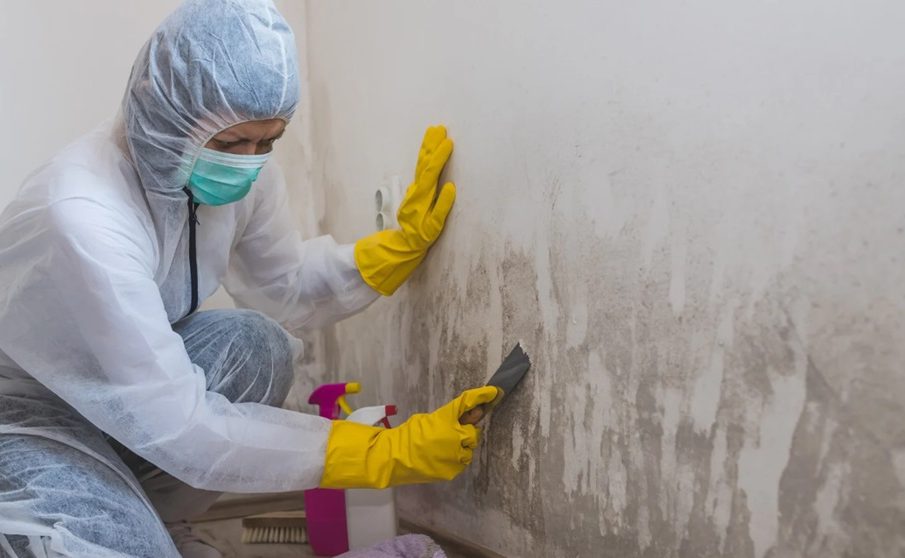
Mold may start silently, but its effects on indoor air quality can quickly become severe. Hidden behind walls or under flooring, mold spores circulate through your home, triggering allergies, aggravating asthma, and contributing to general respiratory discomfort. That’s why mold remediation isn’t just about cleanup—it’s a critical step toward healthier living.
Homeowners searching for mold remediation in Atlanta services often do so after noticing musty smells, visible mold patches, or unexplained health symptoms. However, even in cases where mold is not easily visible, poor indoor air quality is often the first clue that something is wrong.
The Health Impact of Indoor Mold
When mold is present, it releases microscopic spores into the air. Breathing in these spores can lead to coughing, sneezing, throat irritation, and, in more severe cases, chronic respiratory issues. Children, seniors, and those with weakened immune systems are particularly vulnerable.
Mold thrives in humid environments, making bathrooms, basements, and kitchens high-risk areas. However, any space with poor ventilation or recent water damage can become a breeding ground. Professional remediation goes beyond surface cleaning and aims to eliminate the source of the issue, ensuring long-term improvements to air quality.
What Professional Remediation Involves
A thorough mold remediation process begins with identifying the extent of contamination. Professionals use air quality monitors, moisture meters, and infrared cameras to detect hidden mold and the moisture sources feeding it. After containment, air scrubbers with HEPA filters are used to remove airborne spores, improving the quality of the air almost immediately.
One often overlooked benefit of mold removal is its direct link to wellness. Experts have explored how mold remediation supports better health by removing irritants that compromise the immune and respiratory systems. Once the mold is eliminated, occupants frequently report clearer breathing, fewer allergic reactions, and overall improved comfort.
More Than Just Cleaning: A Preventative Approach
True mold remediation also involves fixing the root causes—typically leaks, condensation, or ventilation problems. By resolving these underlying issues, professionals ensure that mold won’t return and the air remains safe.
In residential homes, remediation offers peace of mind. The role of professional mold services in commercial buildings and larger offices is to maintain air quality. Buildings with clean air not only meet health codes but also reduce employee sick days and tenant complaints.
Long-Term Benefits for Indoor Air
Improved air quality leads to better sleep, stronger immune response, and greater productivity. Mold-free environments also reduce the likelihood of additional home damage, such as wood rot or drywall deterioration, which can indirectly impact indoor health.
Homes with good air quality often smell fresher, feel more comfortable, and support better overall well-being. This is especially important in households with young children or elderly family members, where air purity is a top priority.
Conclusion
Investing in mold remediation is more than a property decision—it’s a health decision. When performed professionally, mold remediation clears the air of harmful particles, addresses structural concerns, and prevents future issues from taking root.
From enhancing respiratory wellness to creating a cleaner living environment, mold removal plays a vital role in long-term home health. With insights into how remediation supports air quality and health, homeowners can breathe easier, knowing their indoor environment is safe, clean, and mold-free.


