
Why Cosmetic Dentistry Plays A Role In Overall Oral Wellness
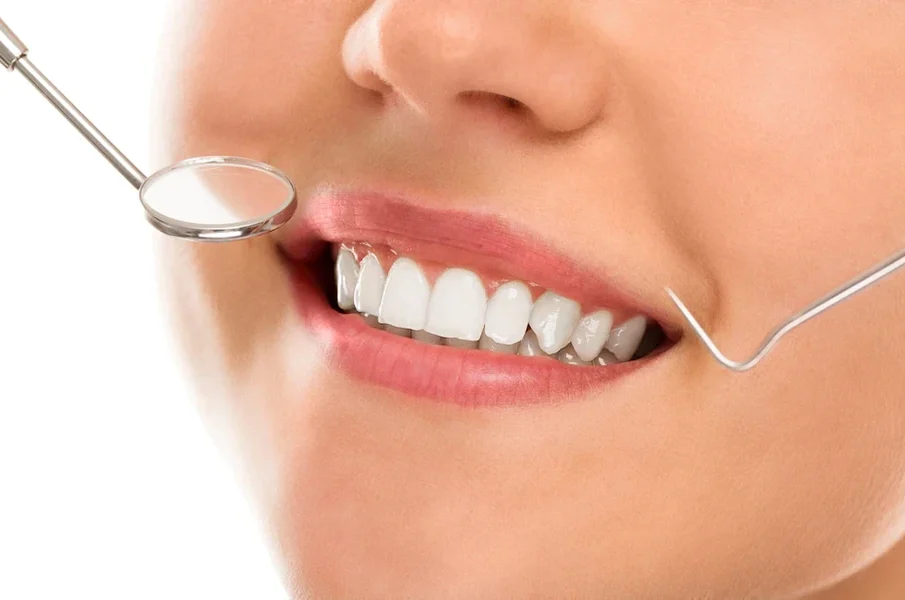
You might be thinking about whitening, straightening, or fixing a chipped tooth because you want to feel better when you smile. That feeling is real, and it usually runs deeper than appearance. When you avoid photos, cover your mouth when you laugh, or put off dental visits because you feel embarrassed, your oral health can slip in quiet ways. That is where cosmetic care starts to matter for more than looks, and Smile to Me Dental in Wixom can be part of that journey. Why cosmetic dentistry plays a role in overall oral wellness comes down to this: when your teeth and gums function well and feel worth caring for, you are more likely to keep them healthy.
A general and cosmetic dentist does more than improve a smile. Cosmetic treatments can correct wear, close areas that trap food, repair cracks, and make daily brushing and flossing easier. They can also uncover gum disease, decay, grinding, and bite problems that may have been missed because the first concern seemed cosmetic. Better appearance and better function often move together.
Cosmetic dental care often supports daily oral health habits
People tend to care for what feels salvageable. If your teeth look stained, crowded, worn down, or uneven, it is easy to assume the damage is already done. That mindset can turn into skipped cleanings, rushed brushing, and long gaps between checkups. Cosmetic dental care can interrupt that cycle by giving you a result you want to maintain.
Teeth whitening is a simple example. Whitening does not cure disease, but many people brush and floss more consistently after treatment because they want the results to last. The same pattern shows up after bonding or veneers. Once a front tooth is repaired, you notice it more, protect it more, and often become more aware of the rest of your mouth. That shift in attention matters.
Good home care still does the heavy lifting. The National Institute of Dental and Craniofacial Research explains basic oral hygiene in plain terms, including brushing twice a day with fluoride toothpaste and cleaning between teeth daily. Cosmetic treatment works best when it sits on top of those habits, not in place of them.
Smile aesthetics and oral health are closely connected
Smile aesthetics and oral health overlap more than most people expect. A chipped tooth can expose weaker structure underneath. Crooked or crowded teeth can create tight spaces where plaque builds up. Old bonding or worn enamel can make teeth more sensitive, which leads some people to brush less thoroughly because it hurts. What starts as a cosmetic complaint can turn into decay, gum inflammation, or bite strain if nothing changes.
Consider a small crack in a front tooth. It may seem minor because it only affects appearance, but cracks can spread under pressure from chewing or grinding. Repairing that tooth with bonding or a crown may restore the look of your smile and help prevent deeper damage. Straightening teeth can also improve the way they meet, which may reduce uneven wear and make cleaning simpler.
The broader point is clear in public health guidance. The CDC’s overview of oral health connects oral conditions with pain, infection, eating, speaking, and quality of life. Your mouth does not separate function from appearance as neatly as people often do.
Cosmetic concerns can reveal larger dental problems
Many people book a cosmetic consultation expecting to talk only about color or shape. Then the exam shows gum recession, untreated cavities, clenching, or a bite that puts too much force on certain teeth. That is not bad news. It is useful news.
If your teeth look shorter than they used to, you may be grinding them at night. If one tooth has darkened, it may have old trauma or nerve damage. If your gums look uneven, there may be inflammation or tissue loss. A dentist who offers both general and cosmetic dentist services can connect those signs instead of treating the surface alone.
This is one reason cosmetic dentistry and oral wellness belong in the same conversation. Cosmetic goals often bring people in the door. A thorough exam protects the health underneath.
Professional cosmetic treatment offers benefits that quick fixes do not
Store bought strips, mail order aligners, and online smile kits can look cheaper at first. The problem is not convenience. The problem is fit, diagnosis, and oversight. If whitening products are overused, teeth can become painfully sensitive. If alignment is attempted without a full exam, gum disease, root issues, or bite problems may be missed. If a cracked tooth is covered without treating the cause, the damage can keep spreading.
| Approach | Possible Benefit | Common Risk | Best Use |
|---|---|---|---|
| At home whitening products | Lower upfront cost, easy access | Uneven results, gum irritation, sensitivity | Mild surface stains after a dental exam |
| Professional whitening | Stronger results with supervision | Temporary sensitivity | Stains that need controlled treatment |
| Mail order tooth movement | Convenience | Missed decay, gum disease, bite problems | Rarely ideal without in person evaluation |
| In office orthodontic or cosmetic planning | Diagnosis, monitoring, safer tooth movement | Higher cost, more visits | Crowding, spacing, bite concerns |
The CDC’s oral health tips for adults reinforce the basics that protect any dental work you invest in, including regular dental visits, daily cleaning, and tobacco avoidance. Cosmetic treatment lasts longer when those habits are steady.
Small steps can improve both appearance and oral wellness
Start with a full exam. If you want whiter, straighter, or more even teeth, ask for a complete evaluation first. You need to know whether the real issue is staining, enamel wear, grinding, gum disease, or decay. The right plan depends on the cause.
Choose the concern that affects function most. A chipped edge, crowded lower teeth, bleeding gums, or a bite that feels off may deserve attention before purely cosmetic changes. Fixing the issue that traps plaque or adds stress to teeth often improves appearance along the way.
Build habits that protect the result. Brush with fluoride toothpaste twice a day, clean between teeth daily, wear a night guard if you grind, and keep recall visits on schedule. Cosmetic improvements hold up better when your routine is consistent.
A healthier smile often begins with the part you can see
Wanting a better looking smile does not make you shallow. It often means you are ready to deal with something that has been bothering you for a long time. Cosmetic treatment can restore confidence, but it can also repair damage, improve cleaning, and catch problems before they get worse. That is why oral wellness and cosmetic care are often linked in real life, not just in theory.
If you have been putting this off, a visit with a general and cosmetic dentist can give you a clear picture of what is cosmetic, what is health related, and where the two meet. The first step does not need to be dramatic. It just needs to happen.


