
When Chronic Ear Disease Leads To Ear Canal Surgery In Dogs
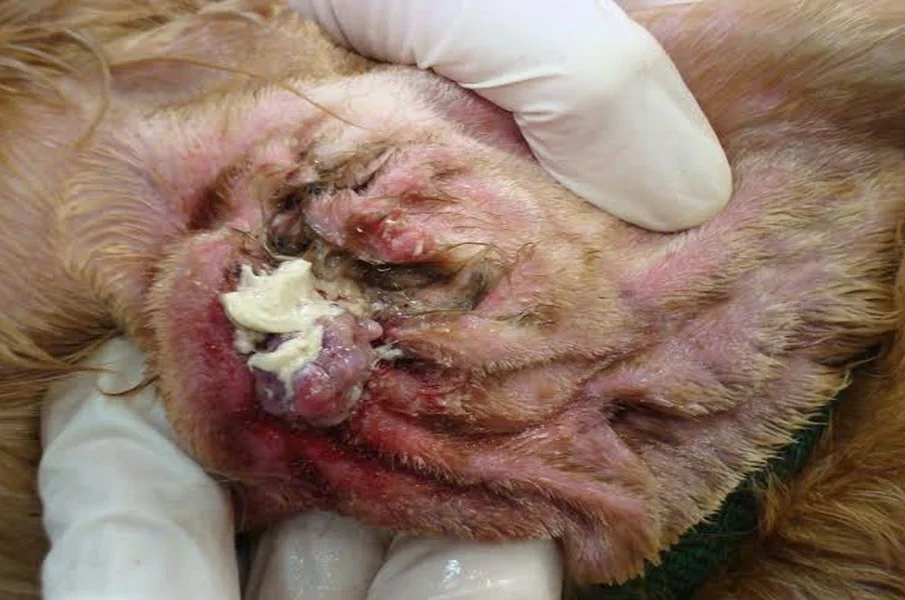
You clean your dog’s ears, start another round of drops, and hope this time the smell, redness, and head shaking will finally stop. Then it comes back. Maybe your dog cries when you touch one ear, maybe there is dark discharge on the bedding, or maybe the infection has been dragging on for months and you are hearing words like “advanced disease” and “surgery.” That is a hard place to be. You want relief for your dog, but ear canal surgery sounds serious because it is. In cases like this, seeking Mississauga veterinary services can help you understand the next steps and the best options for your dog.
Chronic ear disease can reach a point where medicine no longer works well enough, especially when the ear canal becomes thickened, scarred, narrowed, or deeply infected. In those cases, surgery may be the option that gives a dog the best shot at lasting comfort. Ear canal surgery in dogs is not the first step. It is usually considered after repeated infections, severe pain, hearing changes, or disease that has spread deeper into the ear.
Chronic ear infections can change the ear canal itself
Long standing otitis externa does more than cause irritation. Repeated inflammation can make the lining of the ear canal swell and produce more wax and debris. Over time, the canal can become so thick and narrow that medication cannot reach the problem areas well. Bacteria or yeast keep thriving in a warm, trapped space, and each flare up adds more damage.
That cycle is why some dogs seem to improve for a week or two, then slide right back into pain. Allergies, parasites, hormone disease, growths, and moisture can all feed the problem, but once the canal is badly diseased, the structure of the ear becomes part of the issue. According to the Merck Veterinary Manual’s overview of otitis externa in animals, chronic inflammation can lead to permanent changes in the ear canal. At that stage, medical treatment often becomes less effective.
You may also be dealing with the daily stress that comes with this. Your dog resists medication. Grooming becomes difficult. The odor fills the room. Sleep gets interrupted by scratching and shaking. Vet bills stack up from repeat visits, cultures, sedated cleanings, and new prescriptions that may help for a while but do not hold.
Deeper ear disease raises the stakes
When infection or inflammation reaches the middle or inner ear, the situation becomes more serious. Dogs can develop balance problems, facial nerve issues, worsening pain, and a level of infection that simple ear drops cannot fix. This is one reason veterinarians may recommend imaging, deep ear exams under sedation, or referral to a surgical team.
The Merck Veterinary Manual’s discussion of otitis media and interna in animals explains how disease in the middle and inner ear can follow chronic external ear disease. If your dog has had infections for a long time and treatment keeps failing, your veterinarian is not overreacting by talking about surgery. They may be trying to get ahead of a problem that has already moved beyond the outer canal.
Canine ear canal surgery can mean different procedures depending on the damage. Some dogs are candidates for a lateral ear canal resection to improve ventilation and drainage. Others need a total ear canal ablation, often with removal of infected tissue in the middle ear, because the canal is beyond repair. The goal is not cosmetic. The goal is to remove a constant source of pain and infection.
Medical treatment and dog ear surgery address different stages of disease
There is a big difference between an ear that is inflamed and an ear that is permanently changed. That difference shapes the treatment plan.
| Condition | Medical Management | Surgery Consideration |
|---|---|---|
| Early or occasional ear infection | Cleaning, cytology, targeted ear drops, treatment of allergies or parasites | Usually not needed |
| Repeated infections with partial improvement | Culture, deeper cleaning, longer treatment, workup for underlying cause | Considered if flare ups continue despite proper care |
| Severely narrowed or scarred canal | Medication may not reach infected tissue well | Often recommended because structure is part of the disease |
| Middle ear involvement or chronic severe pain | Systemic treatment may help but may not resolve source | More likely, especially if imaging confirms advanced disease |
This is often the turning point for owners. If your dog still has a normal enough ear canal, medical treatment can do a lot. If the canal is closed off, packed with debris, mineralized, or chronically infected, more drops may only prolong the cycle. That does not mean anyone failed. It means the disease progressed.
What surgery can change for your dog’s quality of life
The thought of surgery for chronic ear disease in dogs can feel overwhelming, but many owners say the hardest part was waiting while their dog stayed miserable. Dogs with advanced ear disease are often living with constant pain that becomes their normal. Once that pain is gone, their behavior can change in ways that surprise people. They sleep better, stop guarding their head, return to play, and seem more present.
There are real considerations. Surgery has cost, recovery time, and possible complications such as bleeding, nerve effects, or hearing loss in the treated ear. Some dogs already have reduced hearing because the canal is so diseased. That is part of the discussion your veterinary team should have with you before any procedure. A good plan weighs the current suffering against the expected outcome, not just the fear of the operation itself.
Three steps you can take right now
Get a clear staging workup. Ask whether your dog needs ear cytology, culture, imaging, or an exam under sedation. You need to know if this is surface inflammation, deep infection, or a canal that has already become permanently damaged.
Ask what the ear canal looks like, not just what infection is present. The bacteria or yeast matter, but structure matters too. If the canal is narrowed or scarred, ask whether medication still has a fair chance of working.
Discuss the end goal of treatment. Relief for a week is not the same as relief for the long term. Ask your veterinarian whether the current plan is expected to control the disease, manage it temporarily, or whether dog ear surgery is the option most likely to stop the cycle.
Your dog does not have to keep living with an ear that hurts every day. When chronic ear disease leads to surgery, that recommendation usually comes from a very real pattern of damage, pain, and failed treatment. An Animal Hospital can help you sort out what stage your dog is in and what path offers the best chance at comfort. If your dog keeps battling ear infections, schedule an evaluation and get a plan that matches what is really happening inside the ear.


