
3 Benefits Of Annual Pet Wellness Programs At Animal Hospitals
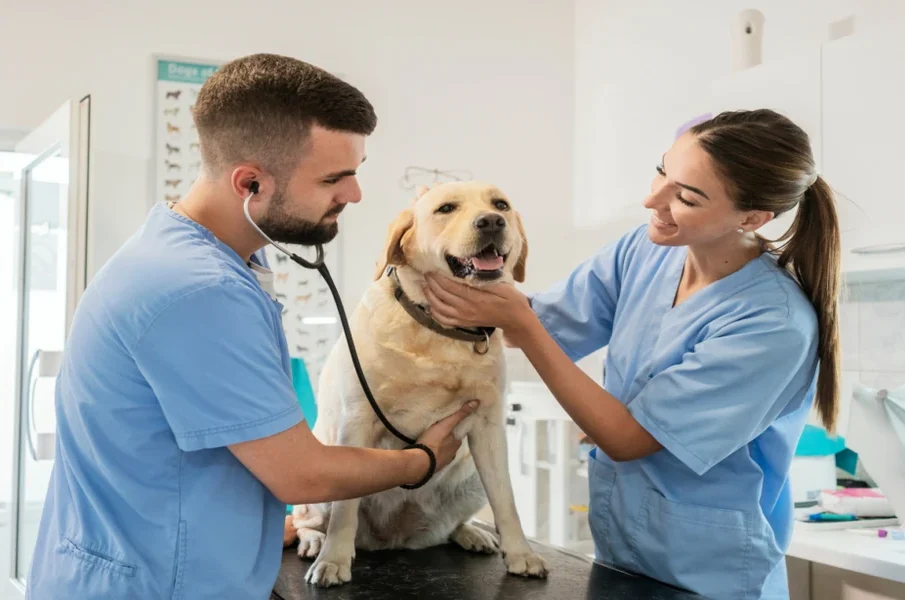
You know your pet’s normal. The way they greet you, how fast they finish dinner, where they like to nap, the little shifts that tell you something is off before anyone else would notice. That is why health problems can feel so frustrating, and why seeing a Houston Heights veterinarian can make a difference. Pets cannot explain what hurts, and by the time signs are obvious, a small issue may already be harder and more expensive to treat.
That is where annual wellness care helps. A yearly program at an animal hospital creates a simple rhythm of checkups, screening, vaccines, and preventive care, so you are not left guessing or waiting until something turns urgent. The biggest benefits are early detection, steadier long term costs, and better day to day quality of life for your pet.
Annual pet wellness programs catch problems before they turn into crises
Many pet owners do not skip care because they do not care. Life gets busy, pets seem fine, and it is easy to assume one more month will not matter. Then a dog with mild dental disease stops eating, or a cat that seemed “just quieter lately” turns out to have kidney changes that had been building for a while.
Annual exams create a baseline. Your veterinarian tracks weight, heart and lung health, teeth, skin, mobility, and behavior over time. That matters because subtle changes are often the first warning signs. Cornell’s guidance on routine veterinary checkups explains how regular visits help find concerns early, when treatment is often simpler and outcomes are better.
This is one of the clearest benefits of yearly pet wellness plans. Early detection does not just protect health. It often protects your budget too. Treating an ear infection early is different from treating a deep infection after weeks of scratching, pain, and skin damage. Managing weight gain before arthritis worsens is different from trying to restore comfort after a pet has already lost mobility.
Pet preventive care programs make health costs more predictable
Unexpected vet bills hit hard, especially when they come with fear. You are making decisions fast, your pet is uncomfortable, and the cost is higher because the problem is now urgent. Preventive care does not remove every surprise, but it lowers the odds that routine needs turn into emergencies.
An annual wellness program usually groups core services like physical exams, vaccines, parasite screening, and lab work into a planned schedule. That structure helps you spread out care and stay current on what your pet needs. It also reduces the common pattern of skipping “small” appointments, then paying much more later.
The annual pet wellness programs at animal hospitals model works because it replaces reactive care with planned care. You are not waiting for something to go wrong before getting help. You are building a record of your pet’s health and keeping preventive services on track, including parasite control and vaccine updates. The CDC’s guidance on healthy pets and animals also highlights the role of preventive care in protecting both pets and people.
Animal hospital wellness plans support a better quality of life
Health is not just about avoiding major illness. It is also about comfort, energy, appetite, sleep, movement, and behavior. A pet may still be eating and walking while dealing with chronic discomfort, low grade pain, anxiety, or digestive issues that slowly chip away at daily life.
Regular wellness visits create space to talk about changes you might otherwise dismiss. Bad breath that points to dental disease. A senior dog slowing down on stairs. A cat drinking more water. A puppy with recurring stomach upset. These details matter, and a trusted animal hospital can connect them before they become bigger patterns.
Veterinary teaching hospitals and community practices alike emphasize preventive exams because they support lifelong care, from early vaccines to senior screenings. Cornell’s small animal community practice reflects that same approach of ongoing medical support rather than one time sick visits.
Annual wellness care gives you clearer choices
When care is consistent, decisions get easier. Your veterinarian is not starting from zero during every visit. They already know your pet’s history, previous lab results, weight trends, and risk factors. That context matters if your pet suddenly seems tired, stops eating, or develops a new lump. Instead of guessing whether this is normal, you have records to compare and a medical team that knows what has changed.
| Approach | What It Often Looks Like | Likely Outcome |
|---|---|---|
| Annual wellness program | Scheduled exams, vaccines, parasite screening, dental checks, routine lab work | Earlier detection, steadier costs, better long term comfort |
| Symptom only vet visits | Care happens only when a pet seems sick or injured | Higher chance of delayed diagnosis and more expensive treatment |
| Irregular preventive care | Missed vaccines, delayed testing, inconsistent follow up | Gaps in protection and less medical history to guide treatment |
Three steps that help you use a pet wellness plan well
Track small changes at home. Write down shifts in appetite, thirst, energy, weight, bathroom habits, and behavior. These details give your veterinarian clues that can lead to earlier answers.
Schedule the next annual visit before you leave. Good intentions fade when life gets crowded. A set appointment turns preventive care into something real instead of something you mean to do later.
Ask what is age and breed appropriate. A senior cat does not need the same screening plan as a young dog, and a large breed dog may have different mobility concerns than a toy breed. Tailored care makes a wellness program more useful.
Steady preventive care makes pet health less overwhelming
You do not need to catch everything on your own, and you do not need to wait for a crisis to take action. Annual wellness care gives you a better shot at finding problems early, managing costs with less stress, and keeping your pet comfortable through every stage of life. If your pet is due for a checkup, schedule a wellness visit with an animal hospital and build a care plan that fits the life you already have.


